A deer-related car accident in Oklahoma can raise two separate questions: who pays for vehicle damage, and who may be responsible for injuries. If your vehicle directly hits a deer, comprehensive coverage is usually the first coverage to review, subject to your policy terms and deductible. If you swerve and hit a guardrail, tree, another vehicle, or another object, collision coverage may become more relevant. If another driver acts negligently and contributes to the crash, that driver and the driver’s liability insurer may be responsible for some of your losses.
Murray Law Firm helps injured people in Stillwater, Oklahoma, and nearby communities review insurance coverage, fault, evidence, and potential claims after serious car accidents.
Deer collisions deserve extra attention during Oklahoma’s fall breeding season. Deer movement increases from late October into December, and November has historically been a high-risk period for vehicle-deer collisions. The coverage and liability analysis depends on how the crash happened, what your vehicle struck, whether another driver contributed, and which insurance coverages were in force.
Why Deer-Related Crashes Increase in Oklahoma During Fall 
Oklahoma drivers can encounter deer at any time of year, but fall brings increased movement. The Oklahoma Department of Wildlife Conservation has warned that white-tailed deer move more during the breeding season, commonly called the rut, which generally runs from late October into December. November has historically been identified as a particularly high-risk period for vehicle-deer collisions.
For drivers in Stillwater, Payne County, and nearby Oklahoma communities, deer may appear on rural roads, highways, and roads near undeveloped land. Dawn, dusk, and other low-light periods can reduce reaction time.
If you see a deer near the road:
- Slow down and scan both shoulders.
- Watch for additional deer because they often travel in groups.
- Use high beams when appropriate and when there is no oncoming traffic.
- Keep enough following distance to brake safely.
- If a collision appears unavoidable, brake while maintaining control rather than making a sharp swerve that could send your vehicle into another lane or off the road.
If you hit the deer directly, comprehensive coverage is usually the first coverage to review. If you avoid the deer but hit another object, collision coverage may be more relevant.
Oklahoma Attorney Oklahoma Attorney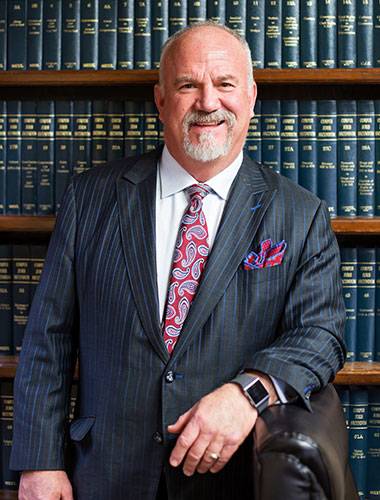
James V. Murray
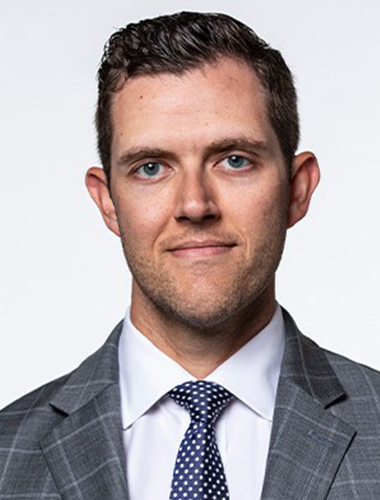
Spencer Allred, Esq.
Who Pays When Your Car Hits a Deer Directly?
When your vehicle directly strikes a deer, your own comprehensive auto insurance is usually the first coverage to examine for vehicle damage. The Oklahoma Insurance Department explains that comprehensive, sometimes called other-than-collision coverage, can cover damage caused by hitting an animal.
Comprehensive coverage is different from liability coverage. Liability insurance generally pays covered claims for injuries or property damage that you cause to someone else. It does not ordinarily pay to repair your own vehicle after a direct deer strike.
If you purchased comprehensive coverage, your insurer may pay for covered repairs or a covered total loss after applying the deductible and other policy terms. If you did not purchase comprehensive coverage, you may have to pay for your own vehicle damage unless another legally responsible party or another applicable coverage source exists.
For broader information about Oklahoma car accident claims, visit the Stillwater car accident attorney page:
https://www.jvmlaw.com/stillwater-car-accident-attorney/
What If You Swerve to Avoid a Deer?
A deer-related accident can be treated differently when your vehicle never touches the animal. If a deer enters your lane, you swerve, and you hit a guardrail, tree, or another object, the damage may fall under collision coverage rather than comprehensive coverage, depending on the policy language and facts.
The same issue can arise if you swerve into another vehicle. At that point, the claim is not only about the deer. Investigators and insurers may examine:
- Your speed before the emergency.
- Visibility and lighting.
- Road and weather conditions.
- Lane position.
- Following distance.
- Whether another vehicle was already occupying the lane.
- Whether your reaction was reasonable under the circumstances.
Comprehensive and collision coverage can have different deductibles, terms, and claim consequences. A crash involving a deer should not automatically be classified one way without reviewing the actual sequence of events and the policy.
Mr. Murray and his team were very professional and helpful throughout this process. As my case was very unique, I knew I was going to need a very specific and special team to help me through this. My wife and I prayed about it and God led us to Murray Law Firm. During the first consultation I requested he pray with me about it and he was quick to agree and that is when I knew we had made the right decision. They went above and beyond our expectations and won the case. I would highly recommend this firm.” - Roger Buchanan The Murray Law Firm worked wonders for me and my needs. James Murray along with his staff are so helpful, understanding, and answered all my questions and concerns. James was able to work his magic and get things done in such a timely manner. James even made his self available by phone after hours when I was in such need. He put not only mine but my whole families worries and concerns at ease. Would highly recommend James Murray to anyone searching for a very good attorney!" - Tiara Rich Jamie is personal yet professional. He can put you at ease and make you feel safe and secure. He will be at your side through this most difficult time in your life and will keep you informed about what is going on in your case and what you can expect. His staff is always ready and willing to do everything the can to help you. Highly recommended." - Alicia Mayfield
Can Another Driver Be Liable for a Deer-Related Crash?
Yes. Another driver can be legally responsible if negligent driving contributes to the collision.
Examples may include:
- You brake for a deer and the driver behind you follows too closely and rear-ends your vehicle.
- Another driver swerves across the center line to avoid a deer and strikes your vehicle.
- A distracted driver fails to notice traffic slowing because deer are near the roadway.
- A speeding driver loses control after reacting too late to an animal crossing.
- A driver changes lanes suddenly and forces your vehicle off the road.
The deer may have created the emergency, but every driver still has a duty to use reasonable care under the circumstances. Fault depends on the complete sequence of events and the conduct of each driver.
Oklahoma follows a modified comparative negligence rule. If you share fault for a crash, your recoverable damages may be reduced in proportion to your percentage of negligence. Recovery may be barred if your negligence is greater than the negligence of the person, or the combined negligence of the people, who caused the damage.
Personal Injury Representation Car Accident RepresentationRelated Videos
What Insurance May Cover Injuries After a Deer Accident?
Vehicle damage and bodily injury are separate insurance questions.
If you are injured in a single-vehicle deer crash, your own medical payments coverage may help with covered medical expenses if you purchased that optional coverage. Health insurance may also become involved, subject to the health plan’s terms and any reimbursement rights.
If another driver negligently causes or contributes to the crash, that driver’s bodily injury liability coverage may apply to your injury claim. If the responsible driver has no insurance or not enough insurance, uninsured or underinsured motorist coverage may become relevant for bodily injuries if the coverage applies under your policy.
Oklahoma Insurance Department guidance explains that uninsured and underinsured motorist coverage generally applies to physical injuries rather than damage to your vehicle. Property damage and injury claims may need to be handled through different coverages.
For more information about medical expenses after a crash, visit:
https://www.jvmlaw.com/car-accident-medical-bills/
If an insurer asks you for a recorded statement, broad authorization, or early release, review the firm’s resource about dealing with insurance companies:
https://www.jvmlaw.com/dealing-with-insurance-companies/
What Should You Do After Hitting a Deer in Oklahoma?
Your first priority should be safety. Call 911 if anyone may be injured or if the crash creates an immediate roadway hazard. If your vehicle is disabled in a travel lane, move to a safer location when you can do so without creating another danger. Do not approach an injured deer because a frightened animal can move unpredictably.
When circumstances allow, preserve information that may help with an insurance claim or later liability dispute:
- Photograph the vehicle damage, roadway, shoulder, debris, skid marks, and surrounding area.
- Save dash camera footage and phone photographs in their original form.
- Record the time, location, lighting, traffic conditions, and direction of travel.
- Get witness names and contact information.
- Keep towing bills, repair estimates, medical records, and insurance correspondence.
- If another driver was involved, exchange driver, vehicle, and insurance information.
- Avoid guessing about speed, distance, fault, or injuries when speaking with an insurer.
If you have pain, dizziness, limited movement, or other symptoms after the crash, seek medical evaluation promptly. Medical records can help document when symptoms began, what injuries were diagnosed, and what treatment was recommended.
When a Deer Accident Becomes a Personal Injury Claim
A direct deer strike may remain primarily a first-party insurance matter when no other person contributed to the event. A personal injury claim becomes more likely when another person’s negligence plays a role.
Consider a Stillwater driver who brakes after seeing a deer cross the road. The driver behind is looking at a phone and does not stop in time. The injured driver may have a liability claim against the distracted driver for losses caused by the rear-end collision.
Depending on the evidence, an injury claim may involve:
- Medical expenses.
- Lost income.
- Pain and suffering.
- Vehicle damage.
- Other losses supported by the facts and Oklahoma law.
The analysis can become more involved when several vehicles are involved, a commercial vehicle is present, or a driver leaves the scene. Police records, vehicle damage, witness statements, video, insurance policies, and medical documentation may all affect how fault and available coverage are evaluated.
How a Stillwater Car Accident Attorney Can Help
A deer-related crash can appear simple at first and become disputed once insurers disagree about how the impact happened or which coverage applies. A car accident attorney can review the policy language, police report, photographs, repair records, medical evidence, witness accounts, and other available proof.
Legal counsel can also evaluate whether another driver was negligent, whether comparative negligence is being raised, whether more than one insurance policy may apply, and whether evidence should be preserved before it is lost.
Learn more about Attorney James Murray:
https://www.jvmlaw.com/our-team/attorney-james-murray/
Speak With a Stillwater Car Accident Attorney About a Deer-Related Crash
If you were injured in a deer-related car accident in Stillwater, Payne County, or a nearby Oklahoma community, Murray Law Firm can review how the crash occurred, identify potential insurance coverage, and explain whether another driver may share legal responsibility.
Murray Law Firm handles personal injury matters on a contingency-fee basis and offers consultations at no charge. To discuss your situation, call (405) 338-7899 or visit:
https://www.jvmlaw.com/contact-us/
This article is for informational purposes only and is not legal advice. Consult an attorney about your specific situation.

