
In an Oklahoma divorce, there is no automatic rule that says the spouse who stays in the marital home must pay the mortgage while the case is pending. The answer often depends on the loan documents, each spouse's income, temporary support, who is using the home, and any temporary order entered by the court.
Murray Law Firm helps people in Stillwater, Oklahoma address short-term financial issues during divorce while protecting their position for the final division of property. The immediate goal is often to keep the mortgage current, preserve the home, and create a clear record of who paid which expenses.
You should also separate three questions that are often confused during a divorce:
- Who owns the home?
- Who owes the lender?
- Who should make the payments while the divorce is pending?
Those questions can produce different answers. A temporary arrangement can address the mortgage, taxes, insurance, utilities, and other household expenses until the home is sold, refinanced, transferred to one spouse, or otherwise handled in the final decree.
Who Is Responsible for the Mortgage While the Divorce Is Pending?
The first place to look is the mortgage loan and promissory note. If you and your spouse both signed the loan, both of you may remain responsible to the lender while your names remain on the debt. Filing for divorce, separating, or moving out does not by itself rewrite the loan agreement.
A divorce court can decide which spouse must make payments between the parties, but that court order does not necessarily remove a borrower from the lender's contract. If both names remain on the loan, missed payments can still create serious financial consequences for both borrowers.
This is different from ownership. The deed concerns title to the property. The mortgage and promissory note concern the debt. You can have an ownership interest without being the only borrower, and you can remain liable on the loan even after moving out.
For a broader explanation of the Oklahoma divorce process, visit:
https://www.jvmlaw.com/stillwater-divorce-lawyer/
Key Point
Who owns the house, who owes the mortgage lender, and who should make the monthly payment are separate questions. A temporary divorce order can address payment responsibility between spouses, but it does not automatically change the lender's contract.
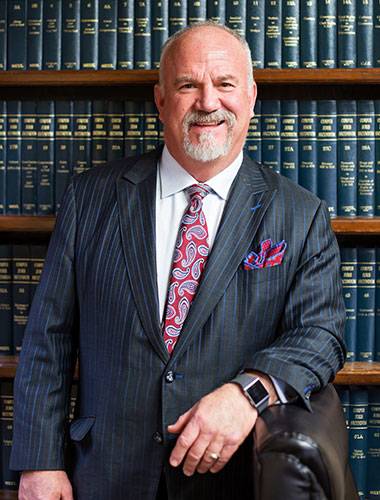
James V. Murray
Oklahoma Attorney

Spencer Allred, Esq.
Oklahoma Attorney
Can an Oklahoma Court Decide Who Pays the Mortgage Temporarily?
Yes. Under 43 O.S. § 110, either party in a pending dissolution or legal separation may request a temporary order concerning payment of debt and possession of property. A mortgage can be part of that temporary financial arrangement.
Depending on the facts of your case, the court may consider circumstances such as:
- Which spouse is living in the home.
- Whether children are living there.
- Each spouse's current income and available funds.
- Whether temporary child support or spousal maintenance is being paid.
- Who historically paid the mortgage and household expenses.
- Whether one spouse is also paying for another residence.
- Whether the home is expected to be sold, refinanced, or retained by one spouse.
A temporary order is not the final division of the house. Its purpose is to establish workable rules while the case is pending. The final decree may assign the property and debt differently.
For more information about property issues, see:
https://www.jvmlaw.com/stillwater-division-of-assets-lawyer/

Mr. Murray and his team were very professional and helpful throughout this process. As my case was very unique, I knew I was going to need a very specific and special team to help me through this. My wife and I prayed about it and God led us to Murray Law Firm. During the first consultation I requested he pray with me about it and he was quick to agree and that is when I knew we had made the right decision. They went above and beyond our expectations and won the case. I would highly recommend this firm.”
- Roger Buchanan
The Murray Law Firm worked wonders for me and my needs. James Murray along with his staff are so helpful, understanding, and answered all my questions and concerns. James was able to work his magic and get things done in such a timely manner. James even made his self available by phone after hours when I was in such need. He put not only mine but my whole families worries and concerns at ease. Would highly recommend James Murray to anyone searching for a very good attorney!"
- Tiara Rich
Jamie is personal yet professional. He can put you at ease and make you feel safe and secure. He will be at your side through this most difficult time in your life and will keep you informed about what is going on in your case and what you can expect. His staff is always ready and willing to do everything the can to help you. Highly recommended."
- Alicia Mayfield
Does the Spouse Who Stays in the House Have to Pay?
Not automatically. Occupancy and mortgage responsibility are related, but they are not the same issue.
For example, you may remain in the Stillwater home with your children while your spouse earns substantially more income. A temporary order could require your spouse to contribute toward the mortgage even though your spouse is living elsewhere.
In another case, the spouse remaining in the home may have enough income to make the mortgage payment while the other spouse pays child support, temporary maintenance, or other marital debts.
The court may also look at whether the current arrangement is financially realistic. Keeping two households operating during a divorce can strain a family budget. A temporary order can help define responsibilities before unpaid bills begin to accumulate.
If you are considering leaving the marital residence, review the firm's guidance at:
https://www.jvmlaw.com/moving-out-of-the-marital-home/
What Does the Automatic Temporary Injunction Mean for the House?
Oklahoma law provides for an automatic temporary injunction after the divorce petition and summons are served or service is accepted, subject to the statute's terms.
Among other restrictions, the injunction generally prevents either spouse from transferring, encumbering, concealing, or disposing of marital property without written consent or a court order, except for recognized exceptions. It also restricts certain changes affecting insurance coverage.
The injunction does not decide who must make the monthly mortgage payment. It does mean that major decisions involving the home should be handled carefully.
Selling the property, taking out a new loan against it, transferring title, or changing property insurance may create legal issues if done without proper authority.
If there is a dispute over whether the home is marital or separate property, see:
https://www.jvmlaw.com/marital-property-and-separate-property/
Related Videos
Mistakes to Avoid in a Divorce
Preparing For Divorce
What If One Spouse Moves Out but Both Names Are on the Loan?
Moving out does not usually remove you from a jointly signed mortgage. If you and your spouse are both borrowers, both of you can remain exposed to late payments, default, collection activity, and credit damage while the loan remains in both names.
A verbal statement such as "I will take care of the house payment" may not provide enough protection. A written agreement or temporary order can identify:
- Who must pay the mortgage.
- When the payment must be made.
- How taxes and insurance will be handled.
- Whether proof of payment must be shared.
- Who will receive mortgage statements and lender notices.
Both spouses should know quickly if a payment is late, an escrow shortage develops, or the lender sends a default notice.
What Happens If the Mortgage Is Not Paid?
Mortgage payments do not stop because a divorce has been filed. If payments are missed, late fees may accrue, credit can be affected, and continued nonpayment can place the home at risk.
If a payment is about to be missed, the issue may need attention before the final divorce hearing. Depending on the circumstances, you may need to request temporary relief, seek enforcement of an existing order, or discuss available options with the lender.
Keep detailed records of each payment. Save:
- Bank statements.
- Mortgage payment confirmations.
- Escrow statements.
- Property tax records.
- Homeowners insurance bills.
- Records showing the source of funds used for each payment.
If you are paying more than your spouse, those records can help explain what happened during later settlement discussions or hearings.
Will Mortgage Payments Affect the Final Property Division?
They can, but there is no automatic rule that every payment made after separation creates a dollar-for-dollar reimbursement.
Oklahoma law requires a just and reasonable division of jointly acquired marital property. The court may need to consider the home's equity, the remaining mortgage balance, separate property claims, other assets and debts, and the financial circumstances shown by the evidence.
Oklahoma appellate decisions explain that a just and reasonable division is equitable and does not necessarily require an equal division.
The source of the money used to make mortgage payments can also matter. Payments from marital funds may raise different questions from payments made with clearly separate funds.
Principal reduction, interest, property taxes, insurance, repairs, and improvements may also need to be considered separately.
A simple payment log can be useful. Record:
- The date of each payment.
- The amount paid.
- The source of the funds.
- The purpose of the payment.
- Any supporting statement or confirmation.
What Happens to the Mortgage When the Divorce Is Final?
The final settlement or divorce decree may handle the home in several ways.
- One spouse may keep the home. If both spouses are borrowers, the agreement may need to address refinancing or another lender-approved method of removing the other spouse from the debt.
- The home may be sold. The mortgage and closing costs are generally paid from the sale proceeds before remaining equity is distributed under the settlement or decree.
- The parties may agree to delay a sale. If so, the agreement should address the mortgage, taxes, insurance, repairs, maintenance, access to the property, and what happens if a payment is missed.
A temporary order requiring one spouse to make payments does not automatically mean that spouse will receive the home in the final property division.
Documents to Gather Before Addressing the Mortgage
Before a temporary-order hearing, mediation, or settlement discussion, gather documents that show what the home costs and who is connected to the debt and title:
- Recent mortgage statements.
- The promissory note and mortgage documents.
- The deed.
- Property tax records.
- Homeowners insurance records.
- Escrow statements.
- Home equity loan or line of credit statements.
- Bank records showing prior mortgage payments.
- Records of major repairs and improvements.
- Any written agreement about household expenses.
These records can help your attorney distinguish ownership, lender liability, and temporary payment responsibility.
Speak With a Stillwater Divorce Attorney About Mortgage Payments
Mortgage questions can become urgent because the lender's payment schedule continues while your divorce case moves forward.
Murray Law Firm can review your loan documents, temporary financial needs, property classification, and possible payment arrangements in a Stillwater, Oklahoma divorce. The firm offers free consultations and helps clients in Stillwater and nearby areas address divorce and property-division issues.
Call 405-338-7899 or visit:
https://www.jvmlaw.com/contact-us/
This article is for informational purposes only and is not legal advice. Consult an attorney about your specific situation.

