If you’ve been involved in a car or truck accident in Oklahoma, understanding how fault is determined is crucial. Fault plays a significant role in the outcome of any personal injury case, directly influencing the amount of compensation you can recover. At the Murray Law Firm, we handle numerous accident cases and understand how complex and stressful the process of fault determination can be. Here’s an in-depth explanation of how fault is established and how it affects your case.

Oklahoma’s Comparative Fault System 
Oklahoma follows a “comparative fault” rule, which means that more than one party may share responsibility for an accident. This system ensures that even if you are partially at fault, you can still recover compensation, but the amount will be reduced by your percentage of fault. However, if you are found to be 51% or more at fault, you will be barred from recovering any damages.
For example, if you were involved in an accident and were found to be 30% at fault, and your total damages amounted to $100,000, you could still recover 70% of that amount, or $70,000. The remaining 30% would be the responsibility of the other party involved in the accident.
Establishing Fault in Oklahoma Car and Truck Accidents
Fault in Oklahoma car and truck accidents is determined through a detailed process involving various factors such as police reports, witness statements, physical evidence, and expert analysis. Let’s break down how each of these factors plays a role in determining fault.
- Police Reports: One of the first steps after an accident is the arrival of law enforcement officers at the scene. Their reports play a vital role in establishing fault, as they include important information about the incident. Officers often cite drivers for violations, such as speeding, running a red light, or failing to yield the right of way. These citations, along with their observations and the details of the accident, can strongly influence fault determination.
- Witness Testimony: Eyewitness accounts can provide valuable insight into the events leading up to and following the crash. If there were bystanders or passengers in either vehicle, their testimony can help clarify the sequence of events. Sometimes, witnesses might testify that one driver appeared distracted or driving recklessly, which could help establish fault.
- Physical Evidence: The physical evidence at the scene of the accident is often the most telling. This includes the positions of the vehicles, skid marks, vehicle damage, and other tangible indicators of how the accident occurred. For instance, if one vehicle has significant damage on the rear end, it may suggest that the other driver was following too closely or rear-ended the vehicle.
- Expert Testimony: In some cases, experts, such as accident reconstruction specialists, may be called upon to offer their opinions. These experts analyze the physical evidence and provide technical insights into how the accident unfolded. They might use data such as vehicle speed, trajectory, and the angle of impact to determine fault with a high degree of accuracy.
Attorney with Over 40 Years Experience Oklahoma Family Law & Criminal Defense Attorney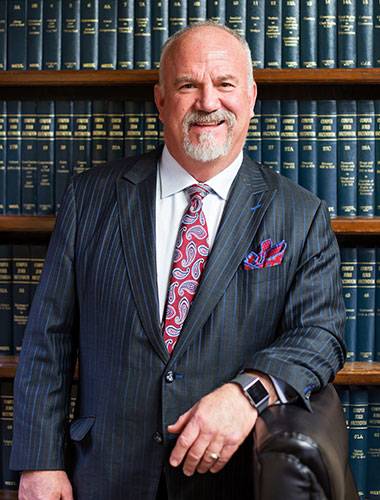
James V. Murray
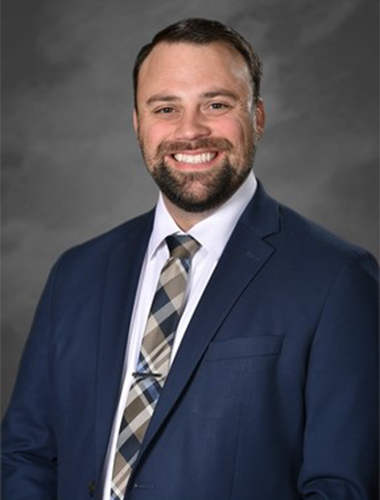
Joshua D. Cooper, Esq.
Truck Accidents and Additional Considerations
While car accidents in Oklahoma are complex, truck accidents tend to involve additional layers of complexity. Trucks are large, heavy vehicles that require more stringent regulations and maintenance. Several factors can influence fault in truck accidents, including the following:
- Driver Fatigue: Truck drivers are bound by federal regulations that limit the number of hours they can drive each day. If a driver exceeds these hours and causes an accident due to fatigue, they can be held liable for the crash. The trucking company may also share fault if they encouraged the driver to exceed the hours of service regulations.
- Improper Maintenance: Trucks require regular inspections and maintenance to ensure they are in safe operating condition. If a truck accident occurs due to a mechanical failure, such as brake failure, it may be the trucking company’s responsibility if they failed to maintain the vehicle properly. Similarly, if the truck was not inspected as required by law, the company may be held liable.
- Cargo Securement: Properly securing cargo is essential to safe truck operation. If cargo shifts during transit and causes an accident, the truck driver or trucking company may be at fault for failing to secure the load properly. For example, an unsecured load could spill onto the highway and cause a collision.
Mr. Murray and his team were very professional and helpful throughout this process. As my case was very unique, I knew I was going to need a very specific and special team to help me through this. My wife and I prayed about it and God led us to Murray Law Firm. During the first consultation I requested he pray with me about it and he was quick to agree and that is when I knew we had made the right decision. They went above and beyond our expectations and won the case. I would highly recommend this firm.” - Roger Buchanan The Murray Law Firm worked wonders for me and my needs. James Murray along with his staff are so helpful, understanding, and answered all my questions and concerns. James was able to work his magic and get things done in such a timely manner. James even made his self available by phone after hours when I was in such need. He put not only mine but my whole families worries and concerns at ease. Would highly recommend James Murray to anyone searching for a very good attorney!" - Tiara Rich Jamie is personal yet professional. He can put you at ease and make you feel safe and secure. He will be at your side through this most difficult time in your life and will keep you informed about what is going on in your case and what you can expect. His staff is always ready and willing to do everything the can to help you. Highly recommended." - Alicia Mayfield
Contributory Factors That Impact Fault Determination
In many accidents, more than one factor contributes to the crash. This can complicate fault determination, but several factors are commonly assessed:
- Speeding: Whether one or both drivers were speeding at the time of the accident is a critical factor in determining fault. Speeding reduces a driver’s reaction time and increases the severity of an accident. If a driver was speeding and caused a collision, they would likely bear a significant portion of the fault.
- Distracted Driving: Distracted driving, such as texting or talking on the phone, is a major cause of accidents. If a driver was distracted at the time of the crash, they could be deemed at fault. Evidence such as phone records or witness testimony can help establish that a driver was not paying attention.
- Driving Under the Influence (DUI): If alcohol or drugs were involved in the accident, the driver under the influence will typically be fully responsible for the crash. This is one of the most clear-cut scenarios where fault is determined, as DUI is a violation of traffic laws that leads to severe consequences.
- Weather Conditions: In Oklahoma, severe weather can play a role in accidents. Ice, rain, or fog can reduce visibility and make roads slippery. However, even in bad weather, drivers are expected to adjust their speed and driving behavior. If a driver was speeding or failed to adjust to poor road conditions, they could still be found at fault.
Consider a scenario where you were involved in a truck accident in Oklahoma City. You were found to be 40% at fault for the crash, while the truck driver was deemed 60% at fault. If your medical expenses total $60,000, you would still be able to recover 60% of that amount, which is $36,000. The remaining 40% would be the responsibility of the truck driver or their employer.
This system ensures that accident victims who are partially responsible for a crash are not entirely left without compensation. However, it’s important to work with an experienced attorney to ensure that fault is accurately assessed and that you are not unfairly blamed for the accident.
Personal Injury Representation Car Accident RepresentationRelated Videos
Why You Need Legal Representation
If you’ve been involved in a car or truck accident in Oklahoma, it is crucial to have skilled legal representation. Fault determination is often complex, and insurance companies may try to shift blame to minimize their payouts. At Murray Law Firm, our attorneys have years of experience in handling accident cases and can guide you through the process of fault determination. We’ll ensure that all the evidence is properly reviewed, witness statements are collected, and expert testimony is utilized to strengthen your case.
If you’ve been injured in an Oklahoma car or truck accident, don’t hesitate to reach out to Murray Law Firm. We offer a free consultation, and our experienced personal injury attorneys are ready to fight for your rights. Let us help you navigate the complexities of fault determination and get the compensation you deserve.