
August social media activity can affect an Oklahoma personal injury case when photographs, videos, captions, comments, location tags, fitness updates, or posts from friends appear inconsistent with what you have reported about the accident, your injuries, your work limits, or your recovery. A single image rarely shows the full day, but an insurance company or defense lawyer may still use it to question fault, damages, or credibility.
In Stillwater, August brings Oklahoma State University move-in, the start of fall classes, back-to-school activities, family gatherings, and late-summer travel. Those events can create more opportunities for posts that may be viewed without the full context of an injury recovery.
The safest approach is to preserve existing content, avoid discussing your claim online, and speak with an attorney before deleting, editing, hiding, or deactivating material that could relate to your case.
Why August Social Media Posts Can Create Problems 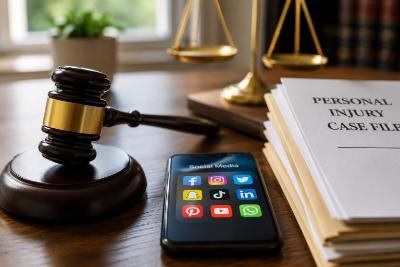
August social media activity can increase when families help students move, attend school events, take final summer trips, meet friends, or spend time at community gatherings. None of those activities automatically means that an injured person has recovered.
Social media usually captures a moment rather than the full context.
Imagine that you injured your back in a car crash. During OSU move-in, you visit a family member and stand for a photograph beside a stack of boxes. The photograph does not show that you did not lift the boxes, that you sat down several times, or that you left early because your pain increased. An adjuster may still compare the image with your medical records, work restrictions, or prior statements.
The same issue can arise with a smiling photograph at a family dinner, a check-in from a weekend trip, a short video at a school event, or a fitness application showing a brief walk. Those items may not prove that you are pain free or able to work normally. They can still become evidence that requires explanation.
A single photograph can show what happened for a few seconds. It may not show the pain, limitations, rest periods, medication, or medical restrictions that came before or after it.
Oklahoma Attorney Oklahoma Attorney
James V. Murray

Spencer Allred, Esq.
Social Media Can Become Evidence in an Oklahoma Injury Case
Oklahoma civil discovery rules allow parties to seek nonprivileged information that is relevant to a claim or defense and proportional to the needs of the case. The Oklahoma Discovery Code also addresses production of electronically stored information, which can include digital writings, photographs, images, messages, and other stored data.
Social media content can fall within those categories when it relates to a disputed issue in a personal injury lawsuit. Privacy settings may limit what the public can see, but privacy settings alone do not decide whether relevant content may be requested in discovery.
A post does not need to mention the accident directly. Online content may become relevant when it appears to address:
- How the accident happened
- Whether you were distracted, tired, or impaired
- Your physical abilities after the injury
- Your work restrictions or lost-income claim
- Your travel or daily activities
- Your emotional condition
- Statements about medical treatment or recovery
- Comments about another driver, a property owner, an employer, an insurer, or a witness
Context can matter as much as the post itself. Your attorney may need to determine when a photograph was taken, what activity actually occurred, how long it lasted, and what your medical records showed at the time.
Mr. Murray and his team were very professional and helpful throughout this process. As my case was very unique, I knew I was going to need a very specific and special team to help me through this. My wife and I prayed about it and God led us to Murray Law Firm. During the first consultation I requested he pray with me about it and he was quick to agree and that is when I knew we had made the right decision. They went above and beyond our expectations and won the case. I would highly recommend this firm.” - Roger Buchanan The Murray Law Firm worked wonders for me and my needs. James Murray along with his staff are so helpful, understanding, and answered all my questions and concerns. James was able to work his magic and get things done in such a timely manner. James even made his self available by phone after hours when I was in such need. He put not only mine but my whole families worries and concerns at ease. Would highly recommend James Murray to anyone searching for a very good attorney!" - Tiara Rich Jamie is personal yet professional. He can put you at ease and make you feel safe and secure. He will be at your side through this most difficult time in your life and will keep you informed about what is going on in your case and what you can expect. His staff is always ready and willing to do everything the can to help you. Highly recommended." - Alicia Mayfield
Posts Can Affect Fault as Well as Damages
Social media can affect more than an insurer’s evaluation of the seriousness of an injury. Posts can also affect arguments about fault.
Oklahoma follows a comparative negligence system. Under 23 O.S. § 13, an injured person’s negligence does not bar recovery unless that negligence is greater than the negligence of the person who caused the damage, or greater than the combined negligence of the persons who caused the damage. When fault is shared and recovery is allowed, the injured person’s percentage of fault can reduce the damages recovered.
That makes casual online statements worth treating carefully. A post saying that you were exhausted before driving, a joke about looking at your phone, or a comment that you never saw the other car may become part of a fault dispute. The statement may have an innocent explanation, but the other side may still compare it with crash evidence, witness statements, or testimony.
If your injury arose from a crash, review the Stillwater car accident attorney resource for more information about fault, insurance, and injury claims:
https://www.jvmlaw.com/stillwater-car-accident-attorney/
Why Smiling Photos and Summer Activities Can Be Misleading
A smiling photograph or summer activity does not necessarily show that an injured person has recovered. Someone with a neck injury may still attend a child’s school event. A person with a knee injury may sit through a family cookout. Someone recovering from a concussion may take a short trip if the activity is consistent with medical advice.
A photograph can make a limited activity look larger than it was.
Suppose you have reported that your injuries prevent you from standing for long periods. A friend posts a ten-second video showing you standing at an August gathering. The clip does not reveal that you were seated for most of the event, that you left early, or that your symptoms increased afterward. An insurer may still compare the clip with your statements, medical records, deposition testimony, or work restrictions.
The safest approach is accuracy. Do not exaggerate your limitations, and do not create an online picture that conflicts with your actual condition. Follow your medical restrictions and be truthful about what you can and cannot do.
Personal Injury Representation Car Accident RepresentationRelated Videos
Deleting a Post Can Create a Different Problem
Deleting a post after an accident can create a different issue if the material is relevant to a claim or lawsuit. Getting legal advice before changing potentially relevant material is usually the better approach.
Once a lawsuit is filed, or when preservation duties otherwise apply, deleting, editing, or removing relevant electronic information can create discovery disputes and make it harder to explain what originally existed. An innocent post can become more difficult to address if the surrounding material has been changed or lost.
Do not edit captions, remove photographs, erase messages, or deactivate an account for the purpose of making potentially relevant evidence disappear. Preserve the material and show it to your attorney. Your attorney can advise you about what should be retained, what may need to be produced, and how the surrounding facts should be documented.
If an insurance adjuster is already asking broad questions about your activities, review the firm’s guidance on dealing with insurance companies before giving a recorded statement, signing an authorization, or trying to explain a social media post without legal advice:
https://www.jvmlaw.com/dealing-with-insurance-companies/
What Should You Do With Social Media During an Injury Claim?
During an injury claim, you do not need to assume that every social media activity will damage your case. A careful and consistent approach can reduce avoidable disputes.
Consider these practical steps:
- Preserve existing posts, photographs, messages, and account information that may relate to the accident or your recovery.
- Avoid posting about fault, injuries, medical treatment, settlement discussions, legal strategy, or the amount you expect to receive.
- Think carefully before sharing travel, exercise, lifting, sports, home-project, or event content that could be viewed without context.
- Ask friends and relatives not to tag you in new posts about your activities or recovery.
- Review privacy settings, but do not assume that a private account is protected from a valid discovery request.
- Be cautious with new friend or follow requests from people you do not recognize.
- Keep following your medical restrictions and attending recommended appointments.
- Speak with your attorney before deleting, editing, hiding, or deactivating anything that could relate to the claim.
The goal is accuracy, not secrecy. Your online activity should not tell a different story from your medical records, work records, testimony, or actual daily limitations.
How a Stillwater Personal Injury Lawyer Can Help
A Stillwater personal injury lawyer can review more than social media. Legal counsel can examine the accident, help preserve evidence, communicate with insurers, organize medical and wage records, assess comparative-fault arguments, and respond to discovery requests involving digital material.
If a post has already been mentioned by an adjuster or defense lawyer, legal counsel can examine the full context before you respond. The date, location, caption, comments, physical activity shown, medical restrictions in place at the time, and other evidence may all affect how the post should be evaluated.
Learn more about local personal injury representation:
https://www.jvmlaw.com/stillwater-personal-injury-lawyer/
You can also review information about Attorney James Murray:
https://www.jvmlaw.com/our-team/attorney-james-murray/
Speak With a Stillwater Personal Injury Lawyer About Your Case
If you are worried that an August post, tagged photograph, video, message, or location update may affect your Oklahoma personal injury claim, Murray Law Firm can review the situation and explain your legal options. The firm serves injured people in Stillwater and nearby Oklahoma communities.
Call 405-338-7899 to discuss your situation, or use the firm’s contact page:
https://www.jvmlaw.com/contact-us/
Bring any post, message, screenshot, or insurer communication that concerns you so the issue can be reviewed in context.
This article is for general informational purposes only and is not legal advice. Every case is different. Speak with an attorney about your specific situation.

