
When you’re involved in a bicycle accident, your physical injuries might seem to take the center stage. However, emotional distress can be just as impactful, even though it’s often invisible. People who have been in accidents like these may experience anxiety, depression, and PTSD, all of which can interfere with their daily lives. If you’ve been in a bicycle accident in Oklahoma, you might be wondering whether it’s possible to file a claim for emotional distress in addition to your physical injuries. The short answer is yes, but proving it can be more complex.
What is Emotional Distress?
Emotional distress refers to the emotional and mental suffering caused by a traumatic event like an accident. It can include feelings of anxiety, depression, fear, or PTSD. These emotional effects may not show up right away, and sometimes they can take a while to fully emerge. However, emotional distress can be just as debilitating as physical injuries, and it is worth addressing when considering a personal injury claim. If you or a loved one are experiencing emotional distress after a bicycle accident, it’s important to seek help from a mental health professional and document these struggles.
Can Emotional Distress Be Part of a Bicycle Accident Claim?
In Oklahoma, it is possible to seek compensation for emotional distress as part of a personal injury claim. Generally, emotional distress falls under the umbrella of general damages, which is the category that covers non-economic damages like pain and suffering. However, emotional distress claims are not automatically awarded. To receive compensation, you must prove that your emotional distress was a direct result of the bicycle accident.
The law recognizes emotional distress as a valid form of damage, but you need to show that your emotional suffering is both real and significant. The burden of proof is on you, meaning you must provide evidence to back up your claims.
Attorney with Over 40 Years Experience Oklahoma Family Law & Criminal Defense Attorney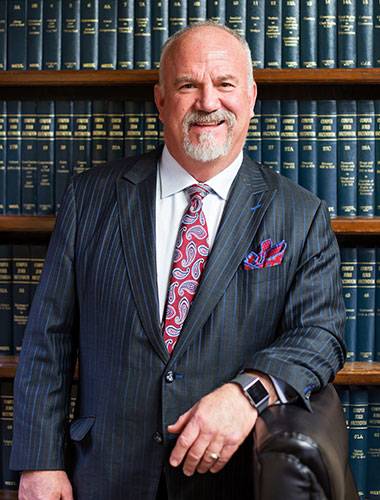
James V. Murray

Joshua D. Cooper, Esq.
Proving Emotional Distress in Oklahoma
To successfully claim emotional distress, it’s important to provide clear and convincing evidence. In many cases, the evidence will include expert testimony. Mental health professionals, such as therapists or counselors, may be asked to testify about your emotional condition and whether it’s linked to the bicycle accident. They can diagnose conditions like PTSD or anxiety, showing how these issues directly resulted from the crash.
You will also need to document your emotional distress. Your personal testimony about how the accident has affected your mental well-being can help strengthen your case. This could include keeping a journal to describe your emotions and reactions, and statements from family members or friends who have witnessed how the accident has impacted your behavior or mood. Any medical records that show you’ve sought therapy or other treatment for emotional distress will also be beneficial.
Types of Emotional Distress Claims
In Oklahoma, emotional distress claims related to an accident can take a couple of different forms. The most common type is negligent infliction of emotional distress, or NIED. In a bicycle accident, NIED occurs when the other party’s careless actions cause you emotional harm. For example, if the driver of a car involved in the accident was speeding or ran a stop sign, and that behavior led to emotional distress for you, that could be grounds for an NIED claim.
Mr. Murray and his team were very professional and helpful throughout this process. As my case was very unique, I knew I was going to need a very specific and special team to help me through this. My wife and I prayed about it and God led us to Murray Law Firm. During the first consultation I requested he pray with me about it and he was quick to agree and that is when I knew we had made the right decision. They went above and beyond our expectations and won the case. I would highly recommend this firm.” - Roger Buchanan The Murray Law Firm worked wonders for me and my needs. James Murray along with his staff are so helpful, understanding, and answered all my questions and concerns. James was able to work his magic and get things done in such a timely manner. James even made his self available by phone after hours when I was in such need. He put not only mine but my whole families worries and concerns at ease. Would highly recommend James Murray to anyone searching for a very good attorney!" - Tiara Rich Jamie is personal yet professional. He can put you at ease and make you feel safe and secure. He will be at your side through this most difficult time in your life and will keep you informed about what is going on in your case and what you can expect. His staff is always ready and willing to do everything the can to help you. Highly recommended." - Alicia Mayfield
In some situations, you may be able to make a claim for intentional infliction of emotional distress, or IIED. This happens when the other party’s actions are extreme or outrageous, and they intentionally cause you emotional harm. For example, if the driver involved in the accident purposely tried to cause you harm or engaged in road rage, an IIED claim might apply. Proving IIED typically requires showing that the other party acted with the intent to cause you emotional harm.
Compensation for Emotional Distress in Oklahoma
There is no set cap on how much emotional distress damages you can claim in Oklahoma, unlike some other types of damages in different cases like medical malpractice. However, the amount you can receive will depend on the severity of your emotional distress, the impact it has had on your life, and the evidence presented. Factors such as whether the emotional distress has prevented you from going back to work, impacted your relationships, or caused long-term psychological effects will be considered in determining compensation.
In most cases, compensation for emotional distress is awarded as part of the overall settlement for personal injury. So, if you’re seeking compensation for both physical injuries and emotional distress, it will all be wrapped up into one claim. Your lawyer will work to show that both types of damages resulted directly from the accident and are worth compensation.
Personal Injury Representation Car Accident RepresentationRelated Videos
Can You File a Claim for Both Physical and Emotional Distress?
Yes, you can file for both physical injuries and emotional distress in the same personal injury claim. Physical injuries are often straightforward to prove, with medical records and doctors’ reports supporting your case. However, emotional distress is more subjective and requires careful documentation.
Your lawyer will help you present a strong case for both physical and emotional distress, showing how the emotional toll of the accident has affected your daily life and extended recovery. For example, if you’ve been unable to return to work or enjoy activities you once did due to the emotional impact of the accident, your lawyer will help document these challenges.
What If the Other Party Denies Responsibility for Emotional Distress?
Sometimes, the other party in a bicycle accident case may try to deny responsibility for your emotional distress, claiming that your mental health issues are unrelated to the accident or that they don’t exist. If this happens, you’ll need solid evidence to counter these claims. Testimony from mental health professionals, along with documented proof of your emotional distress, will be crucial in proving that the distress is directly tied to the accident.
Your lawyer will assist you in gathering the necessary documentation, including medical records and expert testimonies, to demonstrate that your emotional distress is a result of the accident. If the other party continues to deny liability, the case may become more complex, but with proper evidence, your claim can still be successful.
Why You Should Contact an Attorney
If you’re considering filing a claim for emotional distress after a bicycle accident in Oklahoma, it’s essential to have an experienced attorney by your side. Emotional distress claims can be challenging to prove, and you’ll need the right legal guidance to navigate the complexities of the case.
At Murray Law Firm, we have a deep understanding of personal injury law and know how to build strong cases for emotional distress. We can help you gather the right evidence, consult with experts, and ensure your claim is presented in the best possible light.
If you’ve been in a bicycle accident and are struggling with emotional distress, don’t hesitate to reach out to us. We can help you understand your legal options and fight for the compensation you deserve for both your physical and emotional suffering. Contact us today for a consultation.
To learn more about this subject click here: Mistakes to Avoid After a Bicycle Accident

