
The fall season brings more than just cooler weather and changing leaves. For drivers on highways like 51 and 177, it also means an increase in deer activity. With deer frequently crossing roadways during their migration and mating season, crashes between vehicles and deer become more common. However, these accidents can be complex, especially when another driver’s actions contribute to the collision. Understanding when a deer-related crash might become an insurance claim against another driver is crucial for those involved.
Understanding the Risks of Deer Collisions 
Deer collisions are a serious concern for drivers, especially in rural areas along highways 51 and 177. The combination of decreased daylight hours and increased deer activity creates hazardous conditions on these roads. In the evenings and early mornings, deer are more likely to be on the move, making them difficult to spot in time. These animals are unpredictable, often darting across roads with little warning.
The consequences of such collisions can range from vehicle damage to severe injuries. In many cases, the damage to the vehicle is significant, and the driver might need to file an insurance claim. While a collision with a deer itself is often treated as an accident covered by comprehensive insurance, the involvement of other drivers complicates things. If another driver contributes to the accident in some way, the situation may shift from a typical wildlife collision to one where the other driver’s actions are scrutinized for liability.
Attorney with Over 40 Years Experience Oklahoma Family Law & Criminal Defense Attorney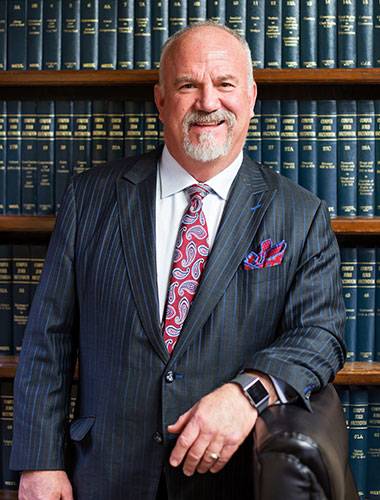
James V. Murray
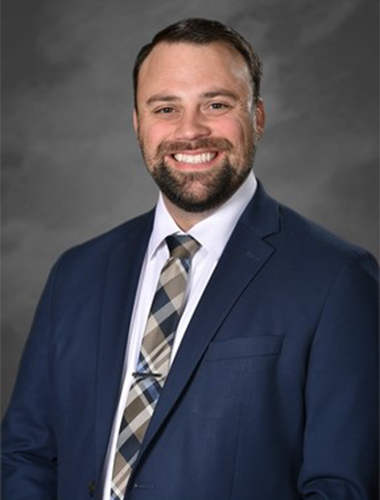
Joshua D. Cooper, Esq.
When Another Driver’s Actions Contribute to the Crash
In some cases, the deer collision is not solely the fault of the animal. For example, another driver’s actions can directly contribute to the accident. If a driver swerves to avoid hitting a deer and collides with your vehicle, they may be held responsible for the damage caused. The driver may argue that they were trying to prevent a crash with the deer, but if their swerve caused the collision, they could be liable for your damages.
Similarly, if the other driver is speeding or driving recklessly in an area known for frequent wildlife crossings, their actions may have played a role in the accident. Speeding in such areas reduces a driver’s ability to react in time to avoid a deer, making them responsible for the resulting damage. Even though the presence of the deer might be the initial cause of the accident, a reckless or negligent driver could be found at fault.
In yet another scenario, if a driver is distracted or inattentive, they may not notice the deer until it is too late to stop. Their failure to maintain control of the vehicle can contribute to a crash with your car. In these instances, their insurance may cover the damage, but only if it can be proven that their actions were a direct cause of the collision.
Mr. Murray and his team were very professional and helpful throughout this process. As my case was very unique, I knew I was going to need a very specific and special team to help me through this. My wife and I prayed about it and God led us to Murray Law Firm. During the first consultation I requested he pray with me about it and he was quick to agree and that is when I knew we had made the right decision. They went above and beyond our expectations and won the case. I would highly recommend this firm.” - Roger Buchanan The Murray Law Firm worked wonders for me and my needs. James Murray along with his staff are so helpful, understanding, and answered all my questions and concerns. James was able to work his magic and get things done in such a timely manner. James even made his self available by phone after hours when I was in such need. He put not only mine but my whole families worries and concerns at ease. Would highly recommend James Murray to anyone searching for a very good attorney!" - Tiara Rich Jamie is personal yet professional. He can put you at ease and make you feel safe and secure. He will be at your side through this most difficult time in your life and will keep you informed about what is going on in your case and what you can expect. His staff is always ready and willing to do everything the can to help you. Highly recommended." - Alicia Mayfield
Steps to Take After a Deer Collision
If you are involved in a deer collision and another driver is involved, there are important steps to take to ensure that your insurance claim is handled properly. The first and most crucial step is to document the scene. Take detailed photos of the damage to your vehicle, the location of the accident, and any visible signs of the deer on or near the road. Capturing these images will be vital for filing a claim with your insurance company and for proving that the deer was indeed a contributing factor.
Next, it’s essential to file a police report. In cases where another driver is involved, a police report can help establish the details of the incident. The report may include information about the other driver’s actions, the location of the accident, and any relevant traffic violations. Having this report on hand can help strengthen your case, especially if the other driver’s negligence is a factor.
After filing the report, it’s time to contact your insurance company. Report the incident, including any relevant details about the other driver’s actions. Your insurance provider will guide you through the process of filing a claim, but it’s important to note that if the other driver is at fault, their insurance may be responsible for covering your damages.
If there are any injuries involved, seeking medical attention should be your priority. Even if injuries seem minor at first, it’s best to get checked by a healthcare professional. Some injuries, such as whiplash, may not be immediately apparent but can worsen over time.
Personal Injury Representation Car Accident RepresentationRelated Videos
Determining Liability in Deer Collisions
In cases where another driver is involved, determining liability can be complicated. While the presence of the deer is often the initial cause of the collision, other factors like the driver’s speed, attention to the road, and reaction to the deer can play a significant role in the accident. If another driver swerves into your lane to avoid a deer or loses control of their vehicle due to speeding, their actions could be considered negligent, making them liable for the damages.
In situations where the other driver is at fault, their insurance should cover the damages to your vehicle and any medical costs. However, in some cases, proving liability may not be straightforward. Insurance companies will investigate the circumstances surrounding the crash, and there may be a need for expert testimony to determine fault. If it’s found that the other driver’s actions contributed to the accident, they may be held responsible for the financial costs associated with the collision.
How Murray Law Can Help with Your Claim
If you’ve been involved in a deer collision on Hwy 51 or 177, or any other highway, and believe that another driver’s actions were a contributing factor, it’s important to seek legal advice. The experienced attorneys at Murray Law Firm can help you understand your rights and determine the best course of action for your case. We offer free consultations to discuss the specifics of your situation and help you understand whether you have a valid claim for damages.
Our team is skilled in handling car accidents and insurance claims, and we will work diligently to ensure that you receive the compensation you deserve. Whether the collision involves a deer or another driver’s negligent actions, we are here to help you navigate the legal complexities and fight for your rights.
Deer collisions on highways like 51 and 177 are an unfortunate reality during the fall months. While these crashes can often be treated as simple accidents, the involvement of another driver can complicate the situation. If you believe that another driver’s actions contributed to the accident, it’s essential to understand your rights and take the necessary steps to file an insurance claim. Documenting the scene, filing a police report, and contacting your insurance company are crucial steps in ensuring that your claim is handled appropriately.
If you need legal assistance or have questions about your deer collision insurance claim, contact Murray Law Firm today for a free consultation. We are committed to helping you navigate the process and obtain the compensation you deserve.
To learn more about this subject click here: What should someone do if they think they have whiplash after a car crash?

