
Accidents in stores can happen for a variety of reasons. When the weather is bad and debris like wet leaves are tracked inside, store owners are responsible for keeping their premises safe. If you have fallen inside a Stillwater store due to wet floors caused by tracked-in rain or leaves, it’s essential to know how to prove the store’s negligence.
Understanding Premises Liability 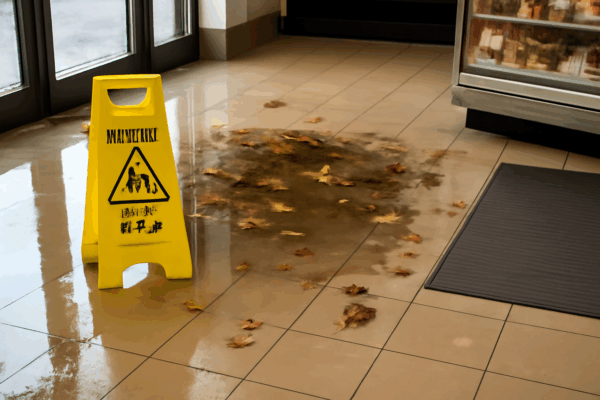
Premises liability is a legal concept that holds property owners responsible for ensuring that their premises are safe for visitors. In the case of slip and fall accidents, such as those caused by wet floors and debris, the business owner or property manager has a duty to maintain a clean and safe environment for customers. This responsibility extends to addressing any hazards promptly, including slippery floors from rain or wet leaves brought in from outside.
When an accident happens in a store, like slipping on wet leaves, the injured person must prove that the store was negligent. The store’s failure to clean up the tracked-in leaves or rainwater can be considered negligence if the business owner or employees failed to address the hazard within a reasonable amount of time.
Proving Notice of the Hazard
One of the most important elements in a slip and fall case is proving that the store was aware, or should have been aware, of the hazard that led to the injury. This is called notice. There are two types of notice: actual notice and constructive notice.
Actual Notice occurs when the store owner or employees are directly aware of the hazard. In the case of tracked-in debris or wet floors, actual notice means that the store knew about the wet conditions and either failed to clean them up or didn’t warn customers about the danger.
Oklahoma Attorney Oklahoma Attorney
James V. Murray

Spencer Allred, Esq.
Constructive Notice is when the store should have known about the hazard, even if they weren’t directly aware of it. Constructive notice applies when the hazard existed for a long enough period that the store had a reasonable opportunity to identify and fix the problem before an accident occurred.
For example, if the store experienced heavy rain several hours before your fall and you slipped on leaves or water that had been tracked in, you could argue that the store had enough time to address the hazard but failed to do so. This could establish constructive notice, which may strengthen your case.
Gathering Key Evidence to Support Your Claim
Building a solid case for your slip and fall injury involves gathering evidence that shows the store was negligent in addressing the hazard. The key pieces of evidence that can support your claim include:
Surveillance Footage
Many stores have security cameras that may have captured the moment when the leaves or rainwater were tracked inside or show the lack of cleanup before the accident. If the store has this footage, it can help establish the presence of the hazard and the failure to address it.
Eyewitness Testimony
Statements from employees or customers who noticed the wet floor or tracked-in debris before the accident can be helpful in proving that the store was aware of the danger. If anyone saw the leaves being brought in or the water pooling on the floor, their testimony can support your case.
Mr. Murray and his team were very professional and helpful throughout this process. As my case was very unique, I knew I was going to need a very specific and special team to help me through this. My wife and I prayed about it and God led us to Murray Law Firm. During the first consultation I requested he pray with me about it and he was quick to agree and that is when I knew we had made the right decision. They went above and beyond our expectations and won the case. I would highly recommend this firm.” - Roger Buchanan The Murray Law Firm worked wonders for me and my needs. James Murray along with his staff are so helpful, understanding, and answered all my questions and concerns. James was able to work his magic and get things done in such a timely manner. James even made his self available by phone after hours when I was in such need. He put not only mine but my whole families worries and concerns at ease. Would highly recommend James Murray to anyone searching for a very good attorney!" - Tiara Rich Jamie is personal yet professional. He can put you at ease and make you feel safe and secure. He will be at your side through this most difficult time in your life and will keep you informed about what is going on in your case and what you can expect. His staff is always ready and willing to do everything the can to help you. Highly recommended." - Alicia Mayfield
Maintenance Records
Stores typically have cleaning and maintenance schedules, and reviewing these records can show whether the store failed to perform routine cleaning or address hazards during the hours leading up to your fall. If the store didn’t clean during the regular intervals or if the records show that the area wasn’t maintained properly, it could indicate negligence.
Photographs
If possible, take photos of the hazardous conditions immediately after your fall. Photographs can help demonstrate the severity of the hazard, whether it’s wet floors, leaves scattered across the store, or any other dangerous conditions that contributed to your fall.
Proving the Store’s Failure to Clean Up
Once you’ve established that the store was aware, or should have been aware, of the hazardous conditions, the next step is to prove that the store failed to clean up or take action to remove the hazard. Several factors can support your claim of failure to clean up:
Lack of Mats or Warning Signs
When it’s raining, or there’s a risk of wet floors, stores are typically required to place mats at entrances to absorb moisture and warn customers of potential slip hazards. If the store didn’t take this simple precaution, it could demonstrate a failure to act.
Personal Injury Representation Car Accident RepresentationRelated Videos
Delayed Response to Clean Up
If you can show that the store was aware of the wet floor or tracked-in debris and didn’t take prompt action to clean it, it could prove their negligence. A store is expected to respond quickly to dangerous conditions, especially in areas where high foot traffic is expected.
Store Policies on Cleaning
Stores typically have protocols in place for cleaning up spills or debris. If the store has a history of poor cleaning practices, it could indicate that they didn’t follow their own procedures, leading to the hazardous conditions you encountered. Testimonies from employees about their cleaning habits or failure to act can be helpful.
Defending Against Store’s Possible Counterarguments
When pursuing a slip and fall case, the store may attempt to defend itself by offering counterarguments. Some common defenses in these cases include:
Comparative Negligence
The store may argue that you were partly at fault for your fall, perhaps by not paying attention to the wet floor or by walking too quickly. In Oklahoma, comparative negligence laws allow for the reduction of your damages if you are found partially responsible. However, it doesn’t necessarily bar you from recovering compensation.
No Notice of Hazard
The store may claim that they didn’t have actual or constructive notice of the wet floor or debris. If they can prove that the hazard wasn’t present long enough for them to reasonably notice, it could reduce their liability. However, gathering evidence of the hazard’s duration can counter this argument.
Why You Need an Experienced Personal Injury Attorney
Handling a slip and fall case can be complicated, especially when it involves proving the store’s negligence and failure to clean up. An experienced personal injury attorney, like those at Murray Law Firm, can help you navigate the legal process. They will assist you in gathering evidence, interviewing witnesses, and negotiating with insurance companies to ensure that you receive the compensation you deserve.
Your attorney will also help you deal with the store’s potential defenses and protect your rights, so you can focus on recovering from your injuries.
When you fall inside a Stillwater store due to hazardous conditions like wet floors or debris, proving the store’s negligence is essential to securing compensation for your injuries. By gathering evidence, establishing notice, and demonstrating the store’s failure to clean up the hazard, you can strengthen your case. Consulting with an experienced personal injury attorney is crucial to navigating this process and ensuring you receive the compensation you deserve.
At Murray Law Firm, we are committed to helping you with your slip and fall injury claims. Contact us today for a free consultation and let us help you get the justice you deserve.
To learn more about this subject click here: Mistakes to Avoid After a Slip and Fall Injury

