
Being hit as a pedestrian near a university campus, especially after dark, is a frightening experience. The immediate aftermath often involves not only physical pain but emotional distress and confusion. The complexity of the situation can be increased by legal considerations, particularly how fault is determined. Understanding Oklahoma’s comparative fault rules is crucial, especially if you are injured in a pedestrian accident. These rules can significantly affect the amount of compensation you are entitled to receive.

What Is Comparative Fault and Why Does It Matter 
In Oklahoma, the concept of comparative fault plays a major role in how compensation is calculated after an accident. This system allows for the distribution of fault among all parties involved in an accident, including pedestrians. Under this system, each individual’s level of responsibility for the incident is evaluated. This means that even if you are a pedestrian who was hit by a vehicle, you may still be found partially at fault for the accident. Your actions, as well as the circumstances surrounding the incident, are all taken into account.
For instance, if a pedestrian was crossing the street outside of a designated crosswalk or failing to follow a traffic signal, they may share in the fault for the accident. Even if you were not solely at fault, comparative fault reduces your payout by the percentage of responsibility assigned to you. This is where understanding the rules is important, because it directly affects the compensation you could receive.
How Oklahoma’s Comparative Fault System Works
Under Oklahoma’s comparative fault rules, the compensation you are entitled to depends on the percentage of fault attributed to you. This means that if you are found to be partially at fault for the accident, your compensation will be reduced accordingly. For example, if a driver was speeding or distracted and struck a pedestrian, but the pedestrian was not using a crosswalk or was crossing at night when visibility was poor, the pedestrian may be assigned a certain degree of fault.
Attorney with Over 40 Years Experience Oklahoma Family Law & Criminal Defense Attorney
James V. Murray
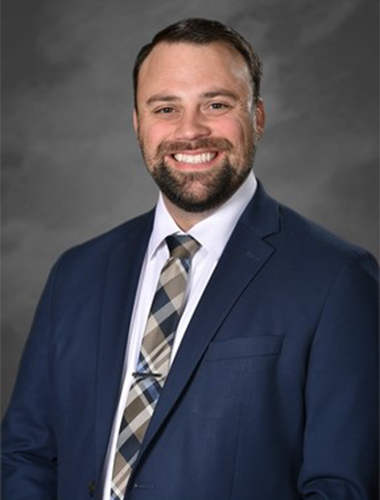
Joshua D. Cooper, Esq.
Here is an example of how this works in practice: Let’s say you are awarded $100,000 in damages after a pedestrian accident, but the court determines you are 30% at fault for crossing the street improperly. In this case, your compensation will be reduced by 30%, meaning you would receive $70,000 instead of the full $100,000.
In some cases, a pedestrian may be found 100% at fault, meaning no compensation will be awarded. For example, if you were walking on a dark, busy road with no crosswalk and were struck by a vehicle, the court might rule that you are fully responsible for the accident. While this is an extreme example, it highlights the importance of following pedestrian safety rules. However, it is rare for pedestrians to be assigned 100% of the fault. More often, fault is shared between both the driver and the pedestrian, reducing the total compensation in a proportionate manner.
Factors That Could Influence Fault Determination
Several factors influence the determination of fault in pedestrian accidents, especially those that occur at night or in less-than-ideal conditions. The presence or absence of streetlights, weather conditions, and traffic signals all play a role in how the accident is viewed by the court. For example, if the streetlights were not functioning properly, it could be argued that the driver did not have adequate visibility to see the pedestrian in time to stop. Similarly, if it was raining or foggy, the court may take these weather conditions into account when determining fault.
Mr. Murray and his team were very professional and helpful throughout this process. As my case was very unique, I knew I was going to need a very specific and special team to help me through this. My wife and I prayed about it and God led us to Murray Law Firm. During the first consultation I requested he pray with me about it and he was quick to agree and that is when I knew we had made the right decision. They went above and beyond our expectations and won the case. I would highly recommend this firm.” - Roger Buchanan The Murray Law Firm worked wonders for me and my needs. James Murray along with his staff are so helpful, understanding, and answered all my questions and concerns. James was able to work his magic and get things done in such a timely manner. James even made his self available by phone after hours when I was in such need. He put not only mine but my whole families worries and concerns at ease. Would highly recommend James Murray to anyone searching for a very good attorney!" - Tiara Rich Jamie is personal yet professional. He can put you at ease and make you feel safe and secure. He will be at your side through this most difficult time in your life and will keep you informed about what is going on in your case and what you can expect. His staff is always ready and willing to do everything the can to help you. Highly recommended." - Alicia Mayfield
If the pedestrian was wearing dark clothing, this could also be a factor in the assignment of fault. When accidents occur at night, pedestrians are expected to take extra precautions. Wearing reflective gear or staying within well-lit areas can help reduce the likelihood of an accident, and if these precautions are not followed, the pedestrian may be partially to blame. The court will look at whether the pedestrian was visible to the driver and if any actions could have been taken to avoid the accident.
Furthermore, the manner in which the pedestrian was crossing the street matters. Was the pedestrian jaywalking or crossing in an area where there was no crosswalk? If so, this may also influence the fault determination. On the other hand, if the pedestrian was crossing at a marked crosswalk and following traffic signals, this would reduce their level of responsibility in the incident.
Why It Is Important to Consult an Experienced Attorney
Pedestrian accidents, particularly those involving comparative fault, can be incredibly complicated. If you are involved in such an accident, it is essential to have an experienced attorney on your side to help navigate the legal complexities and ensure that you are fairly compensated. An attorney will help gather evidence, review police reports, and interview witnesses to establish the facts of the case. By presenting a strong case, your attorney can help minimize your level of fault and maximize the compensation you receive.
Personal Injury Representation Car Accident RepresentationRelated Videos
Moreover, insurance companies often work to protect their interests and minimize payouts. They may try to place more fault on the pedestrian to reduce their financial obligation. An attorney who is well-versed in Oklahoma’s comparative fault system will help protect your rights and fight for fair compensation. They will ensure that all factors, such as road conditions, visibility, and pedestrian behavior, are taken into account when determining fault.
At Murray Law Firm, we understand how challenging it can be to deal with the aftermath of a pedestrian accident. We offer free consultations and are ready to assist you in understanding how Oklahoma’s comparative fault rules may impact your case. Whether you are dealing with mounting medical bills or recovering lost wages, we are here to help you secure the compensation you deserve.
Oklahoma’s comparative fault rules have a significant impact on how much compensation you can receive after a pedestrian accident. If you are found partially at fault for the incident, your payout will be reduced according to your level of responsibility. However, even if you share some fault, you may still be entitled to compensation. Understanding the factors that influence fault determination and working with an experienced attorney are crucial steps in ensuring that you receive a fair payout. At Murray Law Firm, we are committed to helping victims of pedestrian accidents get the justice they deserve.