
During the winter months, Stillwater, Oklahoma, faces a range of weather conditions that can lead to dangerous driving situations. Freezing temperatures, icy roads, and snowy weather can significantly increase the risk of car accidents. Winter weather hazards are not only limited to the drivers who are unprepared; even experienced drivers can find themselves in precarious situations due to the conditions.
From hazardous roads to poor visibility, winter brings challenges that drivers must navigate carefully. Understanding these risks and knowing how to handle winter driving can reduce the chances of being involved in an accident. Furthermore, it’s equally important to be aware of how Oklahoma law addresses car accidents that occur in these difficult conditions.
Oklahoma Attorney Oklahoma Attorney
James V. Murray

Spencer Allred, Esq.
Why Winter Weather Leads to Increased Car Accidents 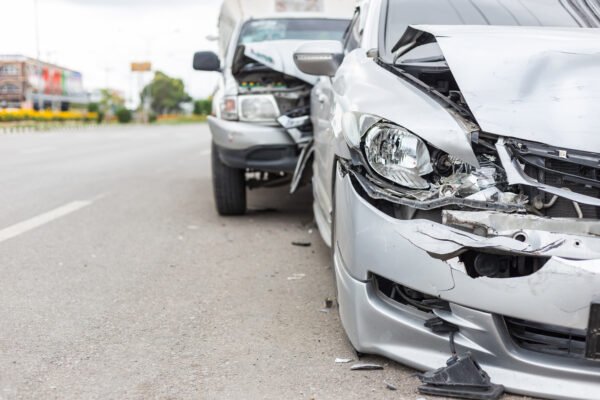
Winter driving is different from driving during other seasons, and the risks are much higher. Some of the key factors contributing to winter car accidents in Stillwater include:
- Icy and Slick Roads: When temperatures fall below freezing, moisture on the road can quickly turn to ice. This creates slippery conditions, especially on bridges, overpasses, and shaded areas. Drivers may struggle to maintain control of their vehicles when roads are icy, increasing the risk of skidding or sliding into another vehicle or off the road.
- Snow and Slush: Snow can create deep drifts on the road, and slush left behind by snowplows can lead to further loss of traction. The buildup of slush can also create deep puddles on the road, which can cause cars to hydroplane or lose control.
- Reduced Visibility: Snowstorms, fog, and rain significantly reduce visibility on the road. Drivers may not be able to see other vehicles, traffic signals, or even the road itself, which makes driving more dangerous. When visibility is poor, it’s harder to react to obstacles or sudden changes in traffic conditions.
- Frozen Vehicle Parts: In freezing weather, car parts can be compromised. Brakes may not function properly, windows might freeze, and tires may lose their grip on the road. All of these factors contribute to a higher likelihood of accidents occurring during winter months.
These elements combine to make winter driving particularly hazardous. It’s essential to prepare your vehicle and adjust your driving habits to reduce the chances of an accident.
Mr. Murray and his team were very professional and helpful throughout this process. As my case was very unique, I knew I was going to need a very specific and special team to help me through this. My wife and I prayed about it and God led us to Murray Law Firm. During the first consultation I requested he pray with me about it and he was quick to agree and that is when I knew we had made the right decision. They went above and beyond our expectations and won the case. I would highly recommend this firm.” - Roger Buchanan The Murray Law Firm worked wonders for me and my needs. James Murray along with his staff are so helpful, understanding, and answered all my questions and concerns. James was able to work his magic and get things done in such a timely manner. James even made his self available by phone after hours when I was in such need. He put not only mine but my whole families worries and concerns at ease. Would highly recommend James Murray to anyone searching for a very good attorney!" - Tiara Rich Jamie is personal yet professional. He can put you at ease and make you feel safe and secure. He will be at your side through this most difficult time in your life and will keep you informed about what is going on in your case and what you can expect. His staff is always ready and willing to do everything the can to help you. Highly recommended." - Alicia Mayfield
Oklahoma Law and Car Accidents in Winter Conditions
In Oklahoma, car accidents are generally governed by comparative negligence rules, meaning that both parties involved in an accident can share responsibility depending on the circumstances. If you are involved in a winter accident, determining liability can be complicated, especially when weather conditions are a significant contributing factor.
Oklahoma law considers several factors when determining who is at fault in an accident:
- Comparative Negligence: Oklahoma follows a comparative negligence system, which means that each party involved in an accident may be assigned a percentage of fault based on their actions. For example, if one driver was speeding on an icy road, they may be found partially or fully responsible for the accident. Similarly, if a driver failed to clear snow or ice from their vehicle, which obstructed their view or created hazards, they could also be found at fault.
- At-Fault Insurance System: Oklahoma is an at-fault state, which means that the party responsible for the accident is liable for the damages and injuries caused. However, even if weather conditions contributed to the accident, the person responsible for driving negligently or failing to adjust to winter conditions may still be held liable for damages.
- Uninsured and Underinsured Drivers: Unfortunately, many drivers on the road are either uninsured or underinsured. If the at-fault driver doesn’t have enough coverage, or no insurance at all, Oklahoma law allows you to seek compensation from your own insurance policy, provided you have uninsured motorist or underinsured motorist coverage.
Understanding these legal aspects can help you better navigate the aftermath of a winter car accident. Whether you’re filing an insurance claim or seeking compensation for damages and injuries, knowing your rights can make a significant difference in the outcome.
Personal Injury Representation Car Accident RepresentationRelated Videos
What to Do After a Winter Car Accident in Stillwater
If you’re involved in a winter car accident, it’s essential to take the right steps to protect yourself legally and physically. Follow these actions immediately after the crash:
- Ensure Safety and Check for Injuries: First, check yourself and others for injuries. If you or anyone else is hurt, call 911 immediately. Avoid moving injured individuals unless it’s absolutely necessary, as doing so could cause further harm.
- Call the Police: Always report the accident to law enforcement, especially if injuries or significant damage are involved. The police will file a report, which is crucial for insurance claims and any potential legal action.
- Document the Scene: If it’s safe to do so, gather as much evidence as possible. Take photographs of the accident scene, including the vehicles, road conditions, and any damage. Also, capture images of any relevant road signs or weather conditions that could have contributed to the accident.
- Exchange Information: Exchange names, phone numbers, driver’s license details, and insurance information with the other driver. Be sure to gather the contact information of any witnesses as well.
- Do Not Admit Fault: It’s important not to admit fault at the scene of the accident. Even if you believe you were responsible, you may not have all the facts, and the other driver may also share in the blame. Stick to the facts and let the authorities determine fault.
- Notify Your Insurance Company: Contact your insurance company as soon as possible. Provide them with all the relevant information and follow their instructions to file a claim. Be prepared to provide details such as the police report, witness statements, and any photographic evidence you collected.
- Consult an Attorney: If you’ve sustained injuries or significant property damage, consider consulting with an experienced attorney. A personal injury lawyer can help you navigate the legal process and ensure that you receive the compensation you deserve for your injuries and damages.
Compensation for Winter Car Accidents in Stillwater
In the aftermath of a winter car accident, you may be entitled to compensation for several types of damages, including:
- Medical Expenses: This includes hospital bills, doctor’s visits, physical therapy, prescription medications, and any other medical costs associated with treating your injuries.
- Lost Wages: If your injuries prevent you from working, you may be entitled to compensation for lost income. This can include future earnings if you’re unable to return to your previous job due to long-term disability.
- Pain and Suffering: Compensation for pain and suffering accounts for the physical and emotional distress you experienced as a result of the accident. This can include both temporary and long-term pain, as well as emotional trauma such as anxiety, depression, or post-traumatic stress.
- Property Damage: If your vehicle was damaged in the accident, you are entitled to compensation for repairs or replacement. Your insurance policy should cover these damages, but if the other driver is at fault, they may be responsible for covering these costs as well.
Having a knowledgeable attorney by your side can ensure that all aspects of your case are addressed, including securing fair compensation for medical bills, lost wages, pain and suffering, and property damage.
Preventing Winter Car Accidents: Tips for Stillwater Drivers
While winter weather is unavoidable, there are several ways to minimize the risk of being involved in a winter car accident:
- Maintain Your Vehicle: Keep your car in good working condition, especially during winter months. Ensure your tires have sufficient tread, and check that your brakes, lights, and windshield wipers are functioning properly.
- Drive Slower and Cautiously: When roads are slick or visibility is poor, reduce your speed. Allow more distance between you and the car ahead, and avoid sudden stops or sharp turns. Adjust your driving to suit the conditions.
- Use Your Headlights: Always turn on your headlights when driving in snow, rain, or fog. This increases your visibility to other drivers and allows you to see better in low-light conditions.
- Clear Your Vehicle of Snow and Ice: Before driving, remove all snow and ice from your vehicle’s windows, mirrors, headlights, and roof. This will improve visibility and reduce the chances of debris flying off your vehicle and hitting other drivers.
- Prepare for Emergencies: Keep an emergency kit in your car, including blankets, flashlights, water, non-perishable food, a first-aid kit, and extra gloves or warm clothing.
By following these precautions, you can help reduce the chances of being involved in a winter car accident.
If you’ve been injured or involved in a winter car accident in Stillwater, Oklahoma, Murray Law Firm is here to help. Our experienced attorneys understand the complexities of winter driving accidents and can help guide you through the legal process. From filing an insurance claim to representing you in court, we’ll work tirelessly to ensure that you receive the compensation you deserve.
To learn more about this subject click here: How to Handle a Car Accident Involving an Uninsured Driver in Oklahoma

