
A strong Oklahoma car accident claim uses evidence to answer three questions: who caused the collision, whether the crash caused your injuries, and what financial or personal losses followed. Useful proof may include scene photographs, police records, witness information, medical records, wage documents, vehicle data, insurance communications, and video footage.
Oklahoma comparative negligence rules make careful documentation especially valuable. Your compensation may be reduced if the evidence supports shared fault, and recovery may be barred when your percentage of negligence is greater than the combined negligence of the person or people who caused the damage. Murray Law Firm helps injured people in Stillwater, Oklahoma, and nearby areas preserve, organize, and present evidence before it disappears.
Strong evidence connects the collision, your injuries, and every claimed loss. Preserve it before it disappears.
Why Evidence Matters in an Oklahoma Car Accident Claim 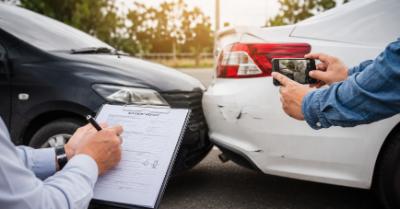
An insurance claim becomes more persuasive when each requested loss can be traced to reliable records. A photograph may show where the vehicles stopped. A medical note may connect new neck pain to the collision. A payroll record may establish income lost during recovery. Several sources that support one another can create a clearer account than any single record.
Evidence also replaces guesswork when drivers disagree about a traffic signal, lane position, speed, following distance, or right-of-way. It can help answer insurer questions about whether a condition existed before the crash, whether treatment was related to the collision, and whether time away from work was medically necessary.
Photographs and Video From the Scene
When safety permits, photograph every vehicle from several angles, not only the most damaged area. Include:
- License plates
- Vehicle positions
- Debris and skid marks
- Lane markings
- Traffic signs and signals
- Construction barriers
- Nearby entrances
- The wider intersection or roadway
Images of weather, lighting, standing water, blocked sightlines, or damaged roadside features may matter when those conditions contributed to the collision. A photograph taken minutes after a crash can preserve details that disappear after vehicles are moved or the road is cleared.
Potential video sources include:
- Dash cameras
- Traffic or intersection cameras
- Security cameras from nearby businesses
- Doorbell cameras from nearby homes
- Rideshare or delivery vehicle cameras
- Cell phone recordings made by witnesses
Ask nearby property owners to preserve relevant footage promptly because many systems overwrite recordings after a limited period.
Oklahoma Attorney Oklahoma Attorney
James V. Murray
Spencer Allred, Esq.
The Police Report and Related Records
A police report can identify drivers, vehicle owners, insurers, witnesses, responding officers, roadway conditions, citations, and statements. It may also include a collision diagram. The report does not automatically decide fault, but it gives the claim a documented framework.
A 911 recording, dispatch log, body camera recording, or patrol vehicle video may establish timing, reported injuries, vehicle positions, and statements made shortly after the collision. Review the police report for errors involving names, insurance information, direction of travel, or omitted witnesses.
Independent Witness Statements
A neutral witness may confirm which driver entered an intersection first, changed lanes, followed too closely, or appeared distracted. Witnesses may also describe brake lights, speed, impact sounds, vehicle movement, or statements made at the scene.
Collect each witness’s name, telephone number, email address, and a short note about what the person observed. Do not coach the witness or request speculation. Early contact helps preserve observations while the event remains fresh.
Mr. Murray and his team were very professional and helpful throughout this process. As my case was very unique, I knew I was going to need a very specific and special team to help me through this. My wife and I prayed about it and God led us to Murray Law Firm. During the first consultation I requested he pray with me about it and he was quick to agree and that is when I knew we had made the right decision. They went above and beyond our expectations and won the case. I would highly recommend this firm.” - Roger Buchanan The Murray Law Firm worked wonders for me and my needs. James Murray along with his staff are so helpful, understanding, and answered all my questions and concerns. James was able to work his magic and get things done in such a timely manner. James even made his self available by phone after hours when I was in such need. He put not only mine but my whole families worries and concerns at ease. Would highly recommend James Murray to anyone searching for a very good attorney!" - Tiara Rich Jamie is personal yet professional. He can put you at ease and make you feel safe and secure. He will be at your side through this most difficult time in your life and will keep you informed about what is going on in your case and what you can expect. His staff is always ready and willing to do everything the can to help you. Highly recommended." - Alicia Mayfield
Vehicle Damage and Physical Evidence
Damage patterns can help explain the direction and force of impact. Crumpled panels, broken lights, paint transfer, tire marks, deployed airbags, and damaged personal property may help a reconstruction professional evaluate the collision.
When fault is disputed, preserve a seriously damaged vehicle until necessary inspections are complete. Repairs or salvage can remove evidence. Keep:
- Repair estimates
- Total loss documents
- Towing invoices
- Storage bills
- Rental receipts
- Photographs taken before repairs
Some vehicles contain event data recorder information that may reflect speed, braking, throttle position, seat belt use, or airbag deployment shortly before impact. Specialized equipment and proper procedures are usually required to retrieve and preserve that information.
Medical Records That Connect the Crash to the Injury
Medical evidence should document diagnosis, treatment, and progression. Emergency records, imaging, physician notes, therapy records, prescriptions, specialist evaluations, and discharge instructions can show when symptoms were reported and how the condition changed.
Tell medical providers how the crash happened and describe your symptoms accurately. Attend recommended appointments when reasonably possible. When cost, transportation, work, or caregiving duties prevent treatment, document the reason so the record does not contain an unexplained gap.
A factual recovery log can record:
- Pain levels and changes
- Sleep problems
- Mobility limits
- Missed activities
- Help needed with daily tasks
- Medication effects
- Work restrictions
Keep the log consistent with your medical records. The firm’s car accident medical bills resource explains why treatment records, billing statements, insurance payments, and balances should be kept together:
https://www.jvmlaw.com/car-accident-medical-bills/
Personal Injury Representation Car Accident RepresentationRelated Videos
Proof of Lost Income and Other Financial Losses
A lost earnings claim needs supporting records. These may include pay stubs, tax returns, employer verification, attendance records, schedules, commission histories, and medical work restrictions. Self-employed people may need invoices, contracts, calendars, profit and loss statements, and proof of canceled work.
Keep receipts and records for:
- Prescriptions
- Medical equipment
- Treatment travel
- Household help
- Towing and storage
- Vehicle repairs
- Rental vehicles
- Damaged personal property
The firm’s car accident economic damages resource explains common forms of financial proof:
https://www.jvmlaw.com/car-accident-economic-damages/
Digital and Electronic Evidence
Digital records can resolve disputes that memory cannot. Cell phone records may show calls, texts, or data use near the time of impact. Navigation history may support route or timing questions. Commercial and fleet vehicles may generate GPS data, dispatch messages, electronic logs, maintenance records, driver monitoring data, and onboard video.
Do not alter or delete relevant digital material. Preserve original files and backups. A screenshot may help, but the original file may contain metadata supporting authenticity and timing. Some records may require a formal preservation request, subpoena, or court order.
Insurance Documents and Communications
Keep the policy, declarations page, claim number, adjuster information, letters, emails, payment explanations, estimates, and settlement offers. Review whether liability, medical payments, uninsured motorist, underinsured motorist, or another coverage may apply.
The Oklahoma Insurance Department advises drivers to collect contact and insurance information, photograph the scene, gather witness information, avoid admitting fault, and contact the insurer promptly:
https://www.oid.ok.gov/consumers/get-ready/how-to-file-a-claim/
Provide accurate basic information, but do not guess about speed, fault, diagnosis, or long-term recovery. Before signing a broad medical authorization or settlement release, understand what the document covers. The firm’s guidance on dealing with insurance companies addresses common claim issues:
https://www.jvmlaw.com/dealing-with-insurance-companies/
How Comparative Negligence Affects the Evidence
Oklahoma follows a modified comparative negligence rule. Under Sections 13 and 14 of Title 23, recovery may be barred when the injured person’s negligence is greater than the combined negligence of the person or people who caused the damage. When recovery is allowed, the amount is reduced in proportion to the injured person’s assigned percentage of negligence.
You can review the current statutory text here:
https://oksenate.gov/sites/default/files/2019-12/os23.pdf
An insurer may argue that an injured driver was speeding, distracted, following too closely, or reacting too slowly. Scene images, video, witness accounts, vehicle data, and consistent statements can test those arguments against objective proof.
How to Organize and Protect Your Evidence
Create one secure physical or digital file. Keep documents by category and date. Save original photographs at full resolution, back up videos, and retain messages showing when insurer communications arrived.
A practical evidence file may include:
- Police and incident records
- Scene photographs and videos
- Witness contact information
- Medical records and bills
- Work and income documents
- Expense receipts
- Vehicle and property records
- Insurance correspondence
- A written timeline of the crash and recovery
Avoid posting detailed comments, photographs, or activity updates about the collision online. A public post may be viewed without the context needed to understand it.
Why Early Preservation Matters
Oklahoma law generally provides a two-year limitations period for many personal injury actions under Section 95 of Title 12. Exceptions can change the deadline, and claims involving a government entity may have separate notice requirements and shorter action periods.
You can review the statutory limitations provision here:
https://oksenate.gov/sites/default/files/2019-12/os12.pdf
The filing period should not be treated as extra investigation time. Camera footage may be erased, vehicles may be repaired, electronic data may be overwritten, and witnesses may become difficult to locate. An early preservation request can identify material that should not be destroyed.
How a Car Accident Attorney Can Help
A Stillwater car accident attorney can review the available proof, identify missing records, contact witnesses, request video, inspect vehicles, obtain insurance information, and coordinate medical and wage documentation. Counsel can also evaluate comparative fault arguments and determine whether a reconstruction, medical, economic, or future care expert may be needed.
Learn more about the firm’s car accident services here:
https://www.jvmlaw.com/stillwater-car-accident-attorney/
The goal is not to collect the largest possible stack of paper. The goal is to build a clear account of what happened and how the collision affected your health, work, finances, and daily life.
Speak With a Stillwater Car Accident Attorney
If a crash in Stillwater or elsewhere in Oklahoma has left you facing medical care, missed work, vehicle damage, or insurance questions, Murray Law Firm offers free consultations. The firm can review existing evidence, discuss material that may need preservation, and explain your options based on the circumstances.
Call (405) 338-7899 or request a confidential consultation here:
https://www.jvmlaw.com/contact-us/
This article is for informational purposes only and is not legal advice. Consult an attorney about your specific situation.

