If you are injured as a passenger in an Oklahoma car accident, payment may come from one or more insurance policies. Possible sources can include the bodily injury liability coverage of the driver who caused the crash, coverage connected to the vehicle you occupied, your own uninsured or underinsured motorist coverage, and medical payments coverage if an applicable policy includes it.
The at-fault driver’s bodily injury liability insurance is often the first source considered. If that driver has no insurance or not enough insurance, uninsured or underinsured motorist coverage may become relevant. Medical payments coverage, often called MedPay, may help with certain medical expenses regardless of who caused the collision, subject to the policy terms and limits.
Murray Law Firm helps injured passengers in Stillwater, Oklahoma, identify potentially responsible parties, review available insurance coverage, and understand the claim process.
You are not automatically responsible for a collision because you were riding in one of the vehicles. The main questions are who acted negligently, whether that conduct caused your injuries, what insurance applies, and what losses can be documented.
As an injured passenger, you may have access to more than one insurance policy. Identifying each potentially applicable policy can matter before you accept a settlement.
The At-Fault Driver’s Insurance Is Often the Starting Point 
Oklahoma car accident claims generally begin with fault. If another driver caused the crash by speeding, following too closely, failing to yield, driving while distracted, running a traffic signal, or otherwise failing to use reasonable care, that driver may be legally responsible for your injuries.
The negligent driver’s bodily injury liability coverage may pay covered damages up to the policy limits. Depending on the facts, those damages may include medical expenses, lost income, pain and suffering, and other losses supported by evidence and Oklahoma law.
For example, imagine that you are riding with a friend in Stillwater when another vehicle runs a red light and strikes the passenger side of the car. If the other driver caused the collision, your injury claim may be directed toward that driver and the applicable liability insurer.
As a passenger, you often have less involvement in the initial fault dispute because you were not operating either vehicle. Insurers can still disagree about which driver caused the crash or whether more than one driver contributed.
What If the Driver of the Car You Were Riding In Caused the Crash?
You may also have a claim when the driver of the vehicle you occupied caused or contributed to the accident. That driver might be a friend, relative, coworker, classmate, or another person you know.
This situation can feel uncomfortable, but an insurance claim does not necessarily mean that you are personally attacking the driver. The practical focus is often on the driver’s automobile liability coverage and the losses caused by the collision.
Suppose you are riding through Stillwater when the driver looks down at a phone, fails to notice stopped traffic, and causes a rear-end crash. If you are injured, the driver’s negligence and available liability coverage may become part of your claim.
Policy language, exclusions, coverage limits, vehicle ownership, and the crash facts can all affect the available coverage. Learn more about local car accident representation at https://www.jvmlaw.com/stillwater-car-accident-attorney/.
Oklahoma Attorney Oklahoma Attorney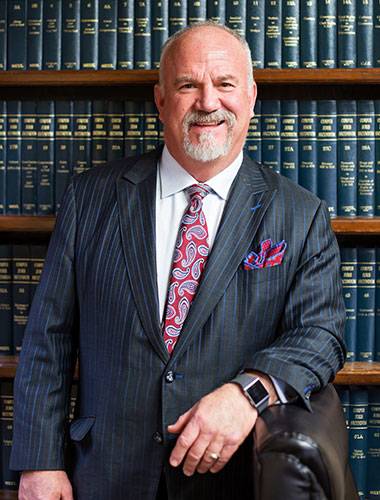
James V. Murray

Spencer Allred, Esq.
What If Both Drivers Share Fault?
Some accidents are caused by more than one person. One driver may make an unsafe left turn while another approaches too quickly. A multi-vehicle collision may involve several separate mistakes.
Oklahoma follows comparative negligence rules. When more than one person contributed to the crash, fault may be divided according to the evidence. Your passenger injury claim may involve more than one negligent driver and more than one liability insurer.
Evidence that may help establish fault includes:
- Police reports
• Photographs and videos
• Vehicle damage
• Witness statements
• Dash camera recordings
• Traffic-camera footage
• Phone records
• Other records showing what happened before impact
When speaking with an adjuster, describe what you actually saw or heard. Avoid guessing about speed, distance, fault, or details that you do not know.
Can Uninsured or Underinsured Motorist Coverage Help a Passenger?
Potentially. Oklahoma law requires automobile insurers to offer uninsured motorist coverage, commonly called UM coverage, although the named insured may reject that coverage in writing. Depending on the policy, UM or underinsured motorist coverage may become relevant when the driver who caused the accident has no applicable liability insurance, has too little liability coverage for the injuries involved, or cannot be identified after a qualifying hit-and-run.
Coverage may be available through the vehicle you occupied or through another policy under which you qualify as an insured. The amount and availability of coverage depend on the policy language and the circumstances of the crash.
An uninsured driver does not automatically mean that compensation is unavailable. Learn more at https://www.jvmlaw.com/uninsured-driver-car-accidents/.
Mr. Murray and his team were very professional and helpful throughout this process. As my case was very unique, I knew I was going to need a very specific and special team to help me through this. My wife and I prayed about it and God led us to Murray Law Firm. During the first consultation I requested he pray with me about it and he was quick to agree and that is when I knew we had made the right decision. They went above and beyond our expectations and won the case. I would highly recommend this firm.” - Roger Buchanan The Murray Law Firm worked wonders for me and my needs. James Murray along with his staff are so helpful, understanding, and answered all my questions and concerns. James was able to work his magic and get things done in such a timely manner. James even made his self available by phone after hours when I was in such need. He put not only mine but my whole families worries and concerns at ease. Would highly recommend James Murray to anyone searching for a very good attorney!" - Tiara Rich Jamie is personal yet professional. He can put you at ease and make you feel safe and secure. He will be at your side through this most difficult time in your life and will keep you informed about what is going on in your case and what you can expect. His staff is always ready and willing to do everything the can to help you. Highly recommended." - Alicia Mayfield
Can Medical Payments Coverage Help With Passenger Medical Bills?
Medical payments coverage, often called MedPay, is optional automobile insurance that may pay reasonable medical expenses for an insured person or passenger injured in a crash, subject to the policy terms and limits.
MedPay generally does not require you to prove that another driver was at fault before covered medical expenses can be paid. It may provide a source for some treatment expenses while a liability claim is being investigated.
Health insurance may also pay covered medical expenses according to the terms of the health plan. The source that pays a particular bill can depend on the policies involved and the claim circumstances.
Keep documents that may support your medical expense claim, including:
- Medical bills
• Explanation-of-benefits forms
• Receipts
• Prescription records
• Treatment recommendations
• Insurance correspondence
Learn more about handling car accident medical bills at https://www.jvmlaw.com/car-accident-medical-bills/.
What If the Passenger Was in a Rideshare or Commercial Vehicle?
Passenger injury claims can involve additional insurance questions when the ride was connected to a rideshare company, employer, commercial carrier, shuttle, rental company, or another business use.
A rideshare crash may require determining the driver’s status within the app at the time of the collision. A commercial-vehicle claim may involve the driver, employer, vehicle owner, contractor, or another business, depending on the facts. A borrowed or rented vehicle can create another layer of insurance questions.
Identifying potentially applicable insurance policies before you accept a settlement can protect your ability to evaluate the claim fully. A release signed with one insurer can affect later options depending on the language of the release.
Personal Injury Representation Car Accident RepresentationRelated Videos
What Compensation Can an Injured Passenger Seek?
If you are injured as a passenger, you may seek compensation for losses caused by the crash. The value of a claim depends on your injuries, treatment, recovery, work impact, available insurance, fault evidence, and other case-specific facts.
Potential damages may include:
- Emergency transportation, hospital care, physician visits, therapy, medication, and rehabilitation
• Future medical care supported by appropriate medical evidence
• Lost wages and, in serious cases, reduced earning capacity
• Pain, physical limitations, and disruption of normal daily activities
• Other reasonable accident-related expenses supported by documentation
No settlement amount can be responsibly predicted from the accident type alone. Two passengers in similar crashes can have different claims because their injuries, treatment, work losses, insurance coverage, and long-term effects differ.
What Should an Injured Passenger Do After the Crash?
Your health comes first. Seek appropriate medical attention, especially if you have pain, dizziness, numbness, limited movement, confusion, or symptoms that develop after the impact.
When circumstances allow, you should:
- Photograph the vehicles, visible damage, roadway, traffic controls, and surrounding scene.
• Get the names and contact information of drivers and witnesses.
• Save the crash report number and insurance information.
• Preserve photographs, videos, rideshare records, messages, and other digital evidence.
• Keep medical records, bills, wage documents, receipts, and insurer letters together.
• Avoid signing a broad release before you understand your injuries and the available insurance coverage.
Insurance adjusters may contact you soon after a collision. Provide accurate basic information, but avoid guessing about speed, distance, fault, medical diagnoses, or future recovery. Before you provide a recorded statement or sign a broad authorization, review https://www.jvmlaw.com/dealing-with-insurance-companies/.
How Long Does an Oklahoma Passenger Injury Claim Take?
There is no single timetable for an Oklahoma passenger injury claim. A claim can take longer when liability is disputed, several insurers are involved, injuries require ongoing care, policy limits are inadequate, or a lawsuit becomes necessary.
Oklahoma generally provides a two-year limitations period for many personal injury actions. Exceptions can change the deadline, and claims involving a governmental entity can involve separate notice requirements and shorter procedural deadlines.
Waiting close to a deadline can also make evidence harder to obtain. Video may be overwritten, vehicles may be repaired, and witnesses may become harder to locate.
How a Stillwater Car Accident Attorney Can Help
A passenger injury claim can look simple because you were not driving, but the insurance picture can still involve several policies, drivers, and coverage questions.
A Stillwater car accident attorney can help by:
- Investigating how the crash happened
• Identifying potentially responsible drivers and other parties
• Reviewing available liability and UM or UIM coverage
• Reviewing MedPay and other potentially applicable policies
• Preserving evidence
• Communicating with insurers
• Collecting medical and wage documentation
• Evaluating settlement offers
• Determining whether more than one party may be legally responsible
Speak With Murray Law Firm About an Injured Passenger Claim
If you were injured as a passenger in a car accident in Stillwater, Oklahoma, or a nearby area, Murray Law Firm can review the crash, available insurance, medical documentation, and possible next steps without promising a particular outcome.
Call 405-338-7899 to request a consultation, or visit https://www.jvmlaw.com/contact-us/.
This article is for informational purposes only and is not legal advice. Consult an attorney about your specific situation.

